
Uncategorized
How a Safe and Positive School Environment Helps Children Learn

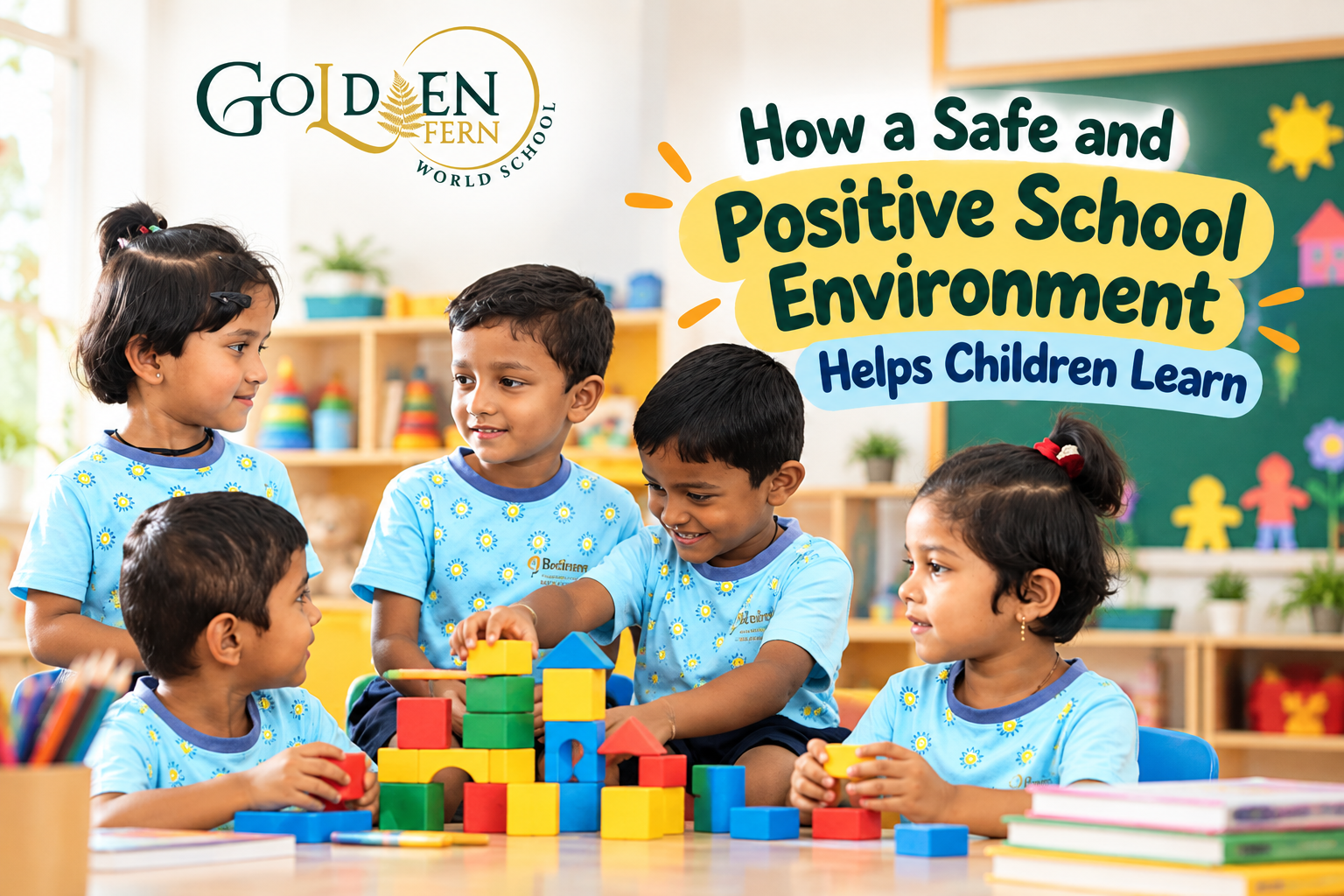
Children learn best when they feel safe, comfortable, and supported. A positive school environment gives children the confidence to explore new ideas, ask questions, make friends, and enjoy learning.
For young children, school is more than a place for academic learning. It is a space where they develop communication skills, social habits, independence, creativity, and emotional confidence.
A caring and welcoming environment can make the early learning experience more enjoyable and meaningful.
Why a Safe School Environment Matters
Young children are still learning how to understand their feelings and interact with others. They need an environment where they feel respected and cared for.
When children feel safe at school, they are more likely to:
- Participate in classroom activities
- Ask questions without fear
- Communicate their thoughts
- Try new activities
- Build friendships
- Develop confidence
- Enjoy coming to school
A positive environment helps children become active participants in their own learning.
1. Builds Confidence in Children
Confidence plays an important role in early childhood learning.
When teachers encourage children and appreciate their efforts, children begin to believe in their own abilities. Even small achievements can make a child feel proud.
For example, completing a puzzle, answering a question, drawing a picture, or helping a friend can give children a sense of achievement.
Positive encouragement helps children understand that learning is a process.
2. Makes Children Feel Comfortable
A child who feels comfortable at school can focus better on learning.
Friendly teachers, clean classrooms, age-appropriate activities, and a welcoming atmosphere can help children feel relaxed.
When children know that adults are there to support them, they can express their feelings more openly.
This emotional comfort can make the transition from home to school easier.
3. Encourages Children to Ask Questions
Questions are an important part of learning.
Young children naturally want to know how and why things happen. A positive classroom encourages them to ask questions and share their ideas.
Teachers can create this atmosphere by listening patiently and responding positively.
When children feel that their questions are welcome, they become more curious and engaged in classroom activities.

4. Supports Social Development
School gives children many opportunities to interact with others.
They learn to share materials, wait for their turn, listen to friends, work in groups, and solve small disagreements.
These everyday experiences help children develop important social skills.
A supportive school environment teaches children that cooperation, kindness, and respect are important when learning and playing together.
5. Helps Children Express Their Feelings
Young children may not always have the words to explain how they feel.
Teachers can help children identify and express emotions in simple ways. Stories, role play, classroom conversations, and group activities can make this easier.
When children feel comfortable talking about their feelings, they can gradually learn how to manage emotions and communicate their needs.
6. Creates a Positive Attitude Towards Learning
Children’s early experiences with education can influence how they feel about learning.
If school activities are enjoyable and supportive, children may begin to see learning as something exciting rather than stressful.
Songs, stories, art, games, hands-on activities, and simple classroom tasks can make learning more engaging.
A positive learning experience can encourage children to stay curious and interested.

7. Encourages Creativity
Children need opportunities to explore and create.
A positive school environment allows them to draw, build, imagine, sing, dance, tell stories, and experiment with different activities.
Creative activities help children express ideas in their own ways.
Instead of expecting every child to learn in exactly the same way, teachers can provide different opportunities that allow children to discover their individual interests.
8. Develops Independence
A supportive classroom can help children become more independent.
Simple responsibilities such as keeping toys in the right place, arranging learning materials, carrying their belongings, or completing a small classroom task can teach children responsibility.
With gentle guidance, children gradually learn to do things on their own.
These small steps can build confidence and self-reliance.
9. Builds Trust Between Teachers and Children
A strong teacher-child relationship is an important part of a positive school environment.
Children learn better when they know that their teachers listen to them and care about their experiences.
Teachers can build trust through patience, encouragement, clear communication, and consistent support.
When children trust their teachers, they may feel more comfortable participating in activities and sharing their thoughts.
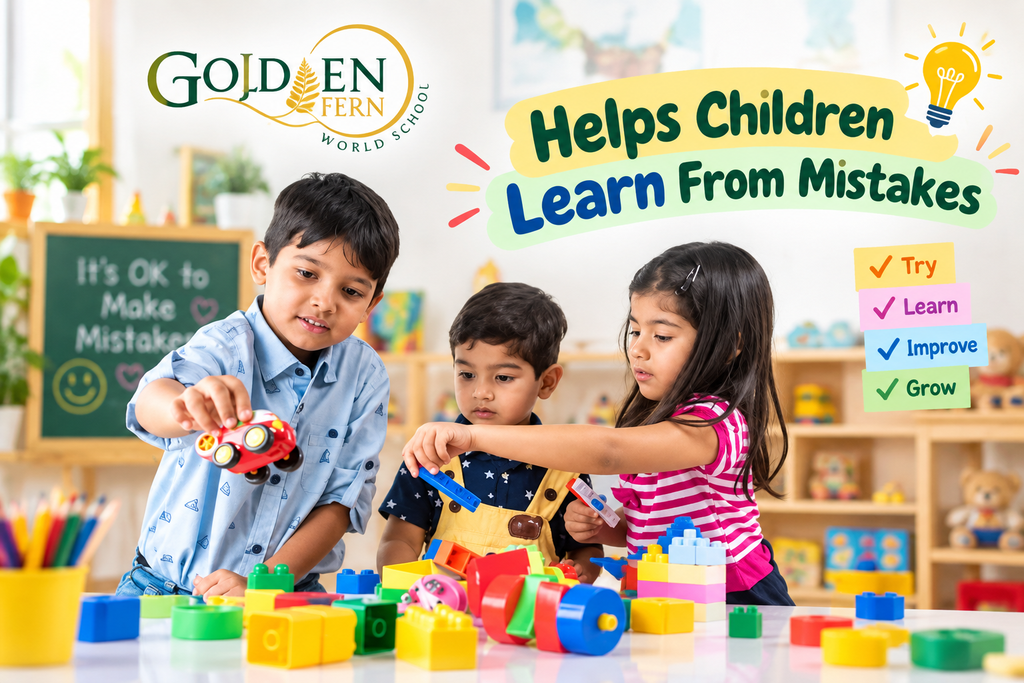
10. Helps Children Learn From Mistakes
Making mistakes is a natural part of learning.
Young children may sometimes feel disappointed when they cannot complete an activity correctly. A supportive classroom helps them understand that mistakes are opportunities to try again.
Teachers can guide children without making them feel embarrassed.
This approach helps children develop patience, problem-solving skills, and a willingness to keep trying.
The Role of Teachers in Creating a Positive Environment
Teachers play an important role in shaping the classroom atmosphere.
A caring teacher can make children feel welcomed and valued. Simple actions such as greeting children warmly, listening to their ideas, encouraging participation, and appreciating their efforts can have a meaningful impact.
Teachers can also encourage positive behaviour by setting clear and simple classroom expectations.
When children understand what is expected of them, they can gradually learn to make responsible choices.
The Role of Parents and Schools
Creating a positive learning environment is a shared responsibility.
Schools can maintain safe classrooms, supportive teaching practices, age-appropriate activities, and open communication with parents.
Parents can support this environment by talking positively about school, listening to their child’s experiences, and encouraging healthy learning habits at home.
When parents and teachers work together, children can receive consistent support both at home and at school.
How Golden Fern World School Supports Early Learning
At Golden Fern World School, we believe that children need a caring and encouraging environment to enjoy their early learning years.
Our approach focuses on creating meaningful experiences where children can learn, explore, communicate, create, and interact with others.
Through age-appropriate activities and supportive guidance, we aim to help children develop confidence and positive learning habits.
The goal is to make the early years of education a comfortable and enjoyable journey for every child.
Final Thoughts
A safe and positive school environment can make a meaningful difference in a child’s early education.
When children feel comfortable, respected, and supported, they can participate more confidently in learning activities. They can ask questions, make friends, express their feelings, explore their interests, and learn from everyday experiences.
Early education is not only about teaching children what to learn. It is also about creating an environment where they feel ready and happy to learn.
A caring school community can give children a strong foundation for their future learning journey.