
Uncategorized
How Pre-Primary Education Builds a Strong Foundation for Learning

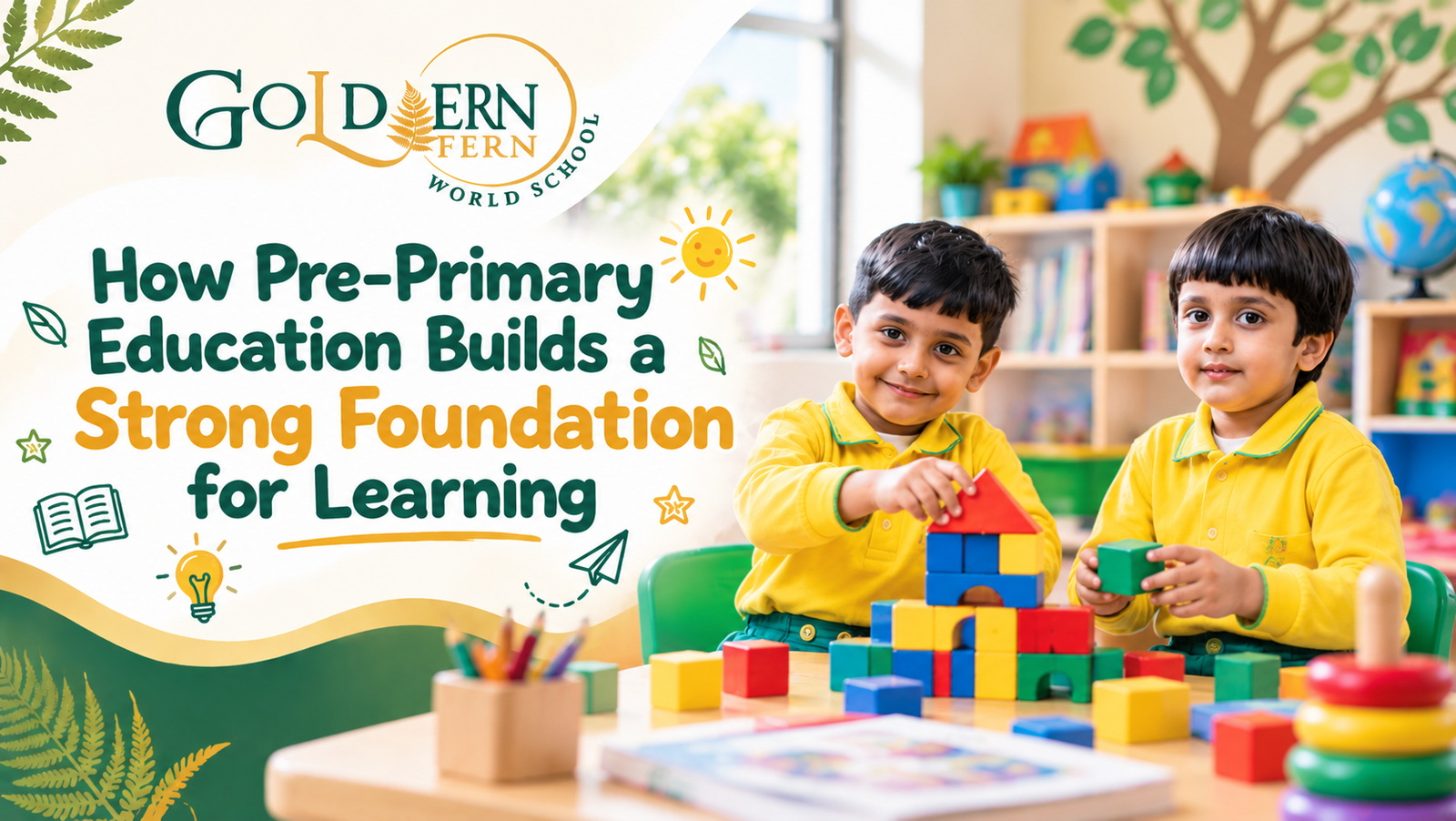
The early years of childhood are an important time for learning and development. Children are naturally curious and eager to explore the world around them. They learn by observing, asking questions, playing, talking, and trying new things.
Pre-primary education foundation begins with these simple experiences. A good early learning environment helps children develop essential skills while making learning enjoyable and meaningful.
At Golden Fern World School, we believe that children learn best when they feel safe, happy, encouraged, and free to explore.
How Pre-Primary Education Builds a Strong Foundation
Pre-primary education introduces children to learning in a simple and engaging way. Instead of focusing only on books, children can learn through stories, games, creative activities, music, movement, and classroom interaction.
These experiences help children develop skills that can support their future education.
What Is Pre-Primary Education?
Pre-primary education is the stage of learning before primary school. It helps young children become familiar with school routines while introducing basic concepts in an age-appropriate way.
Children may take part in activities such as:
- Storytelling
- Rhymes and songs
- Drawing and colouring
- Puzzles and games
- Creative activities
- Group activities
- Indoor and outdoor play
- Simple hands-on learning
These activities allow children to learn naturally through experience.
Why Pre-Primary Education Is Important for Children
The early years provide many opportunities for children to develop important learning and life skills. A supportive environment can encourage children to communicate, participate, explore, and become more independent.
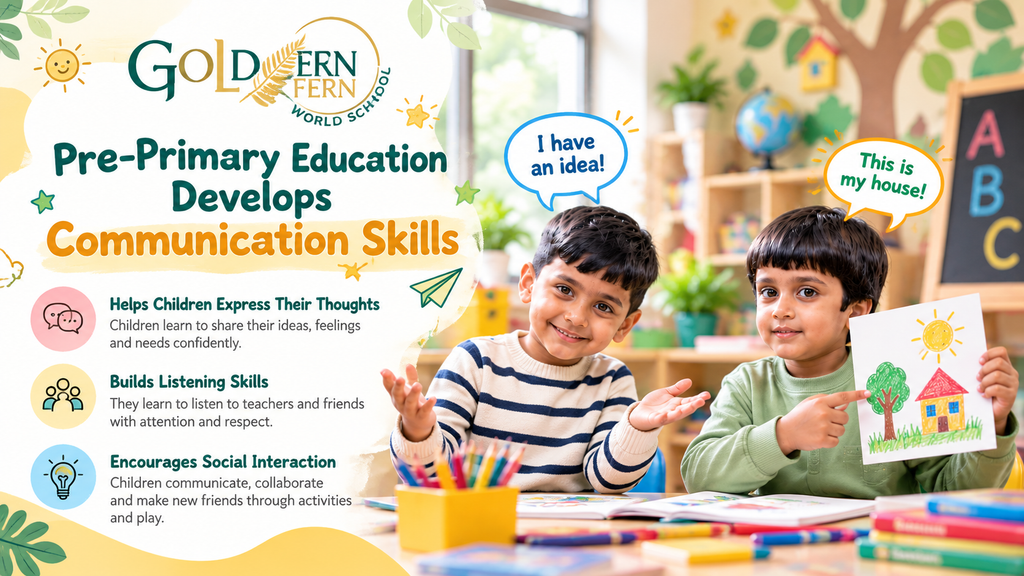
Pre-Primary Education Develops Communication Skills
Children learn communication by interacting with teachers and classmates. Stories, songs, conversations, and group activities encourage children to listen and express their thoughts.
With regular interaction, children can become more comfortable sharing their ideas, feelings, and experiences.
Pre-Primary Education Encourages Social Development
Children learn important social habits when they spend time with other children. They gradually understand how to share, take turns, cooperate, listen, and help others.
These everyday experiences can help children become comfortable participating in group activities.
Pre-Primary Education Builds Early Learning Skills
Young children can be introduced to basic concepts such as colours, shapes, numbers, letters, patterns, and simple vocabulary.
Learning these concepts through activities can make the experience more enjoyable than relying only on memorisation.
Pre-Primary Education Supports Creativity
Creative activities allow children to express their imagination. Drawing, painting, craft work, music, storytelling, and role play give children different ways to explore their ideas.
Creative experiences can also encourage children to think, experiment, and discover new possibilities.
Pre-Primary Education Builds Confidence and Independence
Small achievements can make children feel proud of their abilities. Simple tasks such as arranging belongings, completing an activity, choosing materials, or following a routine can encourage independence.
Positive encouragement from teachers and parents can help children feel more confident about trying something new.
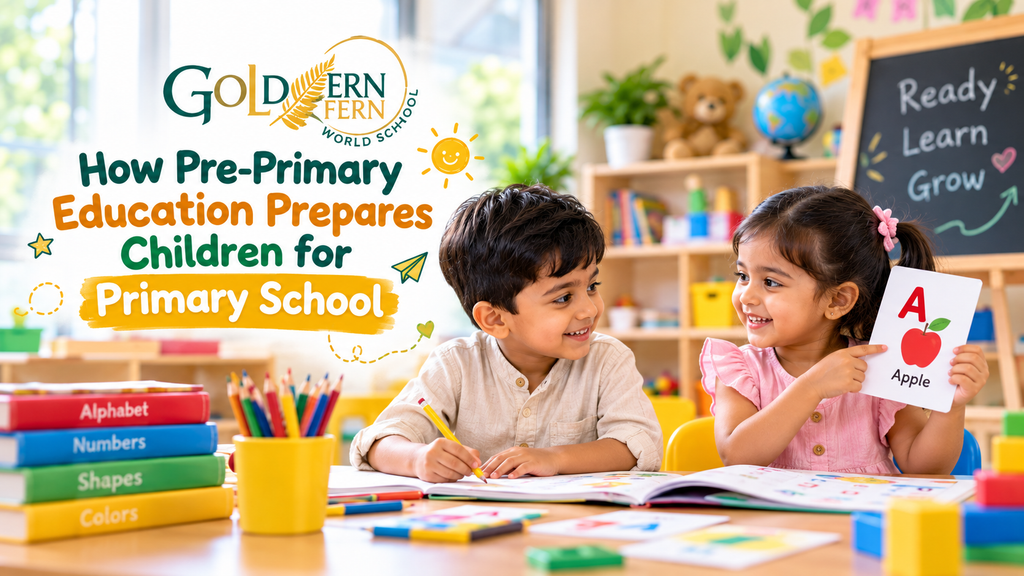
How Pre-Primary Education Prepares Children for Primary School
Moving into primary school brings new routines and expectations. Pre-primary education can help children become familiar with a structured learning environment before they begin formal schooling.
Building School Readiness Through Pre-Primary Education
Children gradually learn classroom habits such as listening to instructions, participating in activities, following routines, and completing simple tasks.
These experiences can help children become more comfortable with school life.
Developing Attention and Concentration
Young children may find it difficult to focus on one activity for a long time. Age-appropriate stories, puzzles, games, and hands-on activities can encourage them to gradually improve their attention.
The goal is to make concentration enjoyable rather than stressful.
Play-Based Learning in Pre-Primary Education
Play is a natural way for young children to explore and understand their surroundings. It can turn everyday activities into meaningful learning experiences.
For example, building blocks can introduce children to shapes and balance. Sorting games can help them recognise colours, sizes, and patterns. Pretend play can encourage communication and imagination.
How Play Supports Early Learning
Through play, children can:
- Explore new ideas
- Practise communication
- Develop coordination
- Solve simple problems
- Work with other children
- Use their imagination
- Learn through experimentation
This approach allows children to enjoy the learning process.
Pre-Primary Education and Motor Skill Development
Physical activities are an important part of early childhood development. Pre-primary activities can support both fine and gross motor skills.
Developing Fine Motor Skills
Activities such as colouring, drawing, threading, clay work, puzzles, and simple crafts encourage children to use their hands and fingers with greater control.
These skills are useful for everyday tasks and future classroom activities.
Developing Gross Motor Skills
Running, jumping, balancing, dancing, and outdoor games encourage children to move and coordinate their bodies.
Regular movement also gives children opportunities to explore physical activities in a fun environment.
Pre-Primary Education and Emotional Development
Children need opportunities to understand and express their emotions. A caring classroom environment can help children gradually recognise different feelings and learn appropriate ways to express them.
Children can learn to:
- Ask for help
- Express their feelings
- Wait for their turn
- Cooperate with others
- Handle small challenges
- Appreciate their own efforts
- Build self-confidence
These skills are valuable for both school and everyday life.
The Role of Teachers in Pre-Primary Education
Teachers have an important role in creating a positive early learning environment. Young children need patience, encouragement, guidance, and opportunities to explore.
Teachers can observe children’s interests and provide suitable activities based on their age and developmental needs.
Encouraging effort instead of focusing only on results can also help children develop a positive attitude towards learning.
How Parents Can Support Pre-Primary Education at Home
Parents are an important part of a child’s learning journey. Simple activities at home can support what children experience at school.
Parents can encourage learning by:
- Reading stories together
- Talking about the child’s day
- Answering their questions
- Encouraging creative play
- Practising simple routines
- Giving children opportunities to try tasks independently
- Appreciating their efforts and progress
A positive connection between home and school can make learning more consistent.
How to Choose the Right Pre-Primary School
Choosing a suitable school is an important decision for parents. Every child has different needs, interests, and learning styles.
Parents can consider whether a school provides:
- A safe and child-friendly environment
- Caring and supportive teachers
- Age-appropriate activities
- Opportunities for play and creativity
- A balanced learning approach
- Social interaction with other children
- Clear communication with parents
A welcoming environment can help children feel comfortable and interested in learning.
How Golden Fern World School Supports Early Learning
At Golden Fern World Schoohttps://goldenfernschool.com/admissions/l, we aim to provide a welcoming environment where children can learn, explore, communicate, and grow with confidence.
Our early learning approach includes age-appropriate activities, creative experiences, play, interaction, and opportunities for children to discover new ideas.
We understand that every child develops at their own pace. Our goal is to encourage curiosity and help children build positive learning habits from their early years.
What Parents Should Remember About Pre-Primary Education
Pre-primary education is about much more than learning letters and numbers. It is a stage where children begin developing communication, social skills, creativity, confidence, independence, and curiosity.
Children do not need to be rushed into formal academics. They need an environment where they can explore, ask questions, make mistakes, and learn at a comfortable pace.
A strong pre-primary education foundation can help children approach their future learning journey with greater confidence.
Conclusion: Building a Strong Foundation Through Pre-Primary Education
The foundation for future learning begins during the early years. Pre-primary education provides children with opportunities to develop essential skills through play, interaction, creativity, and exploration.
A positive early learning experience can help children become more comfortable with school routines, communicate with others, develop independence, and discover the joy of learning.
At Golden Fern World School, we believe that every child deserves a happy and supportive beginning to their educational journey. Our aim is to make early learning meaningful, engaging, and enjoyable for every child.