
Uncategorized
How to Choose the Right Pre-Primary School for Your Child

Choosing the right pre-primary school for your child is an important decision for every parent.
Young children spend a lot of time at school. So, the school should feel safe, friendly, and comfortable.
There are many schools to choose from. Because of this, parents may find the decision difficult.
Fortunately, a few simple checks can make the process easier. Parents can look at the teachers, classroom, safety, activities, and daily routine before making a choice.
How to Find the Right Pre-Primary School for Your Child
Choosing a pre-primary school should start with your child’s needs. Look for a school where children can learn, play, and feel comfortable.
Check the classroom environment and daily activities. Notice whether teachers give children enough time to explore, ask questions, and take part in simple activities.
It is also useful to check the school’s safety, teaching methods, play area, class size, and communication with parents.
By comparing these points, parents can understand which school may be suitable for their child’s early learning experience.
Visit the School in Person
Online photos can show the school building. However, they cannot show the complete daily experience.
For this reason, visit the school before admission.
Walk through the classrooms. Look at the activity areas. Notice how the staff speak with children.
This visit can help you understand the place much better.
Meet the Teachers
Teachers have a close connection with young children.
During your visit, spend some time talking with them.
Ask about their experience. Find out how they guide children during activities.
Also, watch their communication style.
A calm and caring teacher can help a child feel more relaxed.
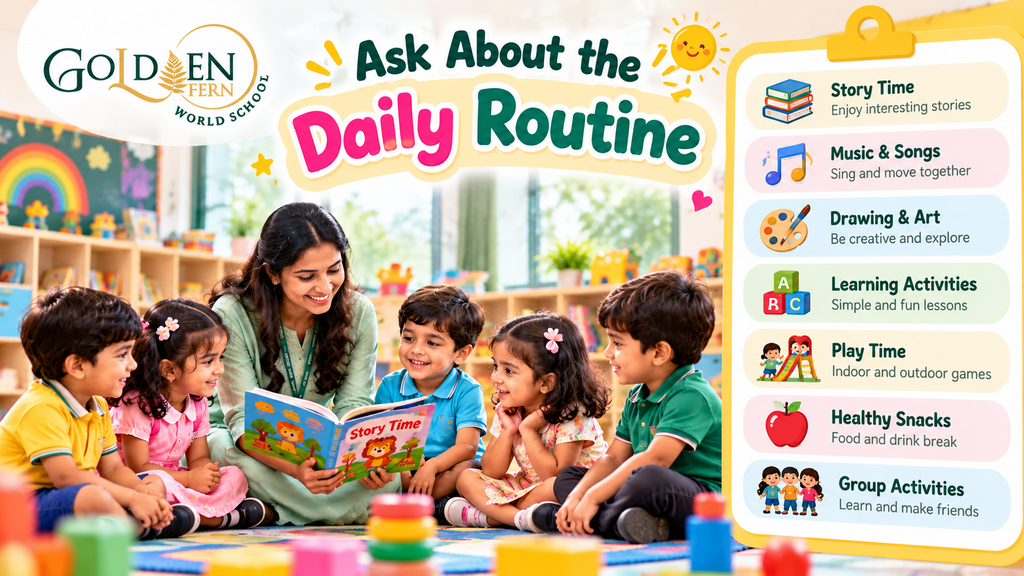
Ask About the Daily Routine
Next, ask the school to explain a normal day.
Find out what children do during different parts of the day.
The routine may include stories, songs, drawing, games, simple lessons, and outdoor activities.
As a result, you can understand what your child may experience each day.
Check the Classroom
The classroom should be suitable for small children.
First, look at the tables and chairs. Then, check the space available for activities.
Children need enough room to sit, move, and take part in group work.
Also, look at the light and air inside the room.
A clean and comfortable room can make children feel more at ease.
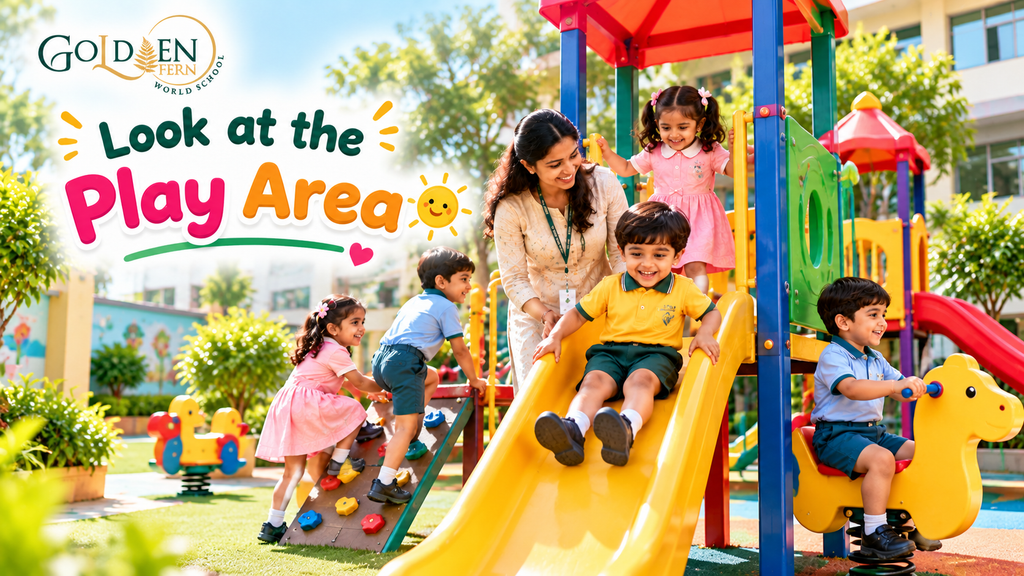
Look at the Play Area
Play is an important part of early childhood.
Through play, children can move their bodies and spend time with friends.
During your visit, check the play area carefully.
Look at the equipment. Also, ask how adults watch children during playtime.
In addition, find out how often children get outdoor play time.
Ask About Child Safety
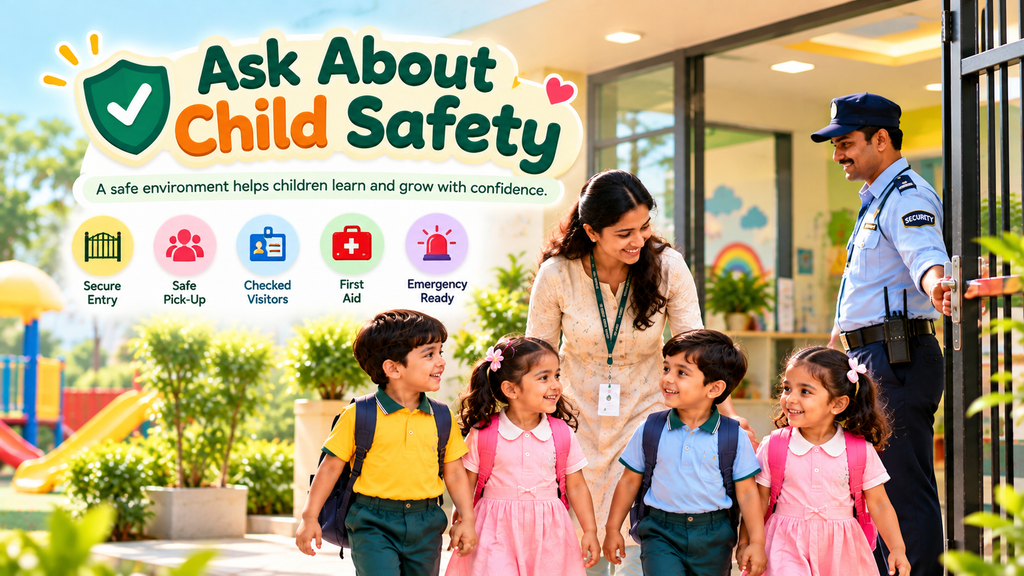
Safety should be one of the main things parents check.
Ask clear questions about the school’s safety rules.
- How is the main gate managed?
- Who can pick up a child?
- How are visitors checked?
- Is first aid available?
- What happens during an emergency?
- How are children watched during outdoor play?
Clear answers can help parents understand the safety system.
Find Out About Class Size
The number of children in a class can also matter.
Ask how many children usually learn together.
Then, find out how many teachers or support staff are present.
A suitable class size can make it easier for teachers to notice each child.
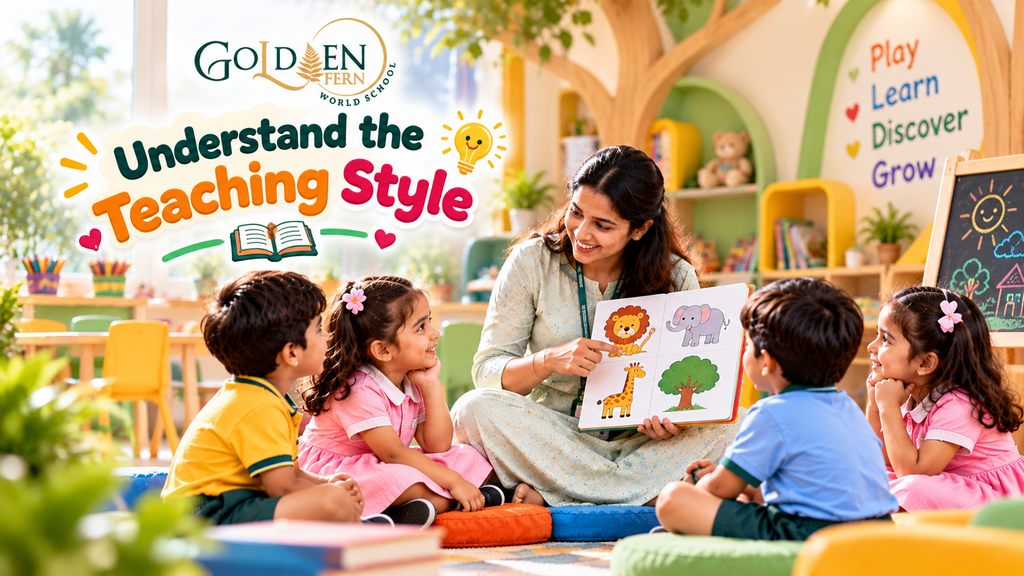
Understand the Teaching Style
Young children learn in many ways.
They can learn through stories, pictures, songs, games, and simple activities.
Therefore, ask how the school introduces new ideas.
Also, find out whether children get chances to ask questions and explore.
Learning can be more enjoyable when children take part in activities.
Check Parent Communication
Parents need regular updates about school life.
So, ask how the school shares information with families.
For example, the school may use meetings, phone calls, messages, or an app.
Good communication can help parents stay connected with teachers.
Consider the School Location
The distance between home and school is another useful point.
A long journey may make a young child tired.
Therefore, check the travel time before making a choice.
If transport is available, ask about pickup points and timings.
A simple travel plan can make the daily routine easier.
Understand the Complete Fee
Before admission, ask for all fee details.
Do not look only at the main school fee.
Instead, ask about extra costs as well.
- Books
- Uniform
- Transport
- Activities
- School events
- Learning materials
Knowing the full cost can help parents plan their budget.
Ask About Child Care
Young children may need help during the school day.
For example, a child may feel unwell or become upset.
Ask how teachers respond in such situations.
Also, ask about drinking water, snack breaks, and basic care.
These small details can make a difference to a child’s school experience.
Understand the Discipline Method
Children are still learning how to manage their feelings.
Sometimes, they may cry or refuse to join an activity.
At other times, they may have a small disagreement with a friend.
Therefore, ask how teachers handle these moments.
A gentle and clear approach can help children learn better behaviour.
Take Your Child for a Visit
If possible, take your child with you.
Give them time to look around the school.
Do not force them to talk or join an activity.
Instead, watch their natural reaction.
Are they curious? Do they want to explore? Do they look comfortable?
These signs can give parents useful information.
Talk to Other Parents
Parents can also speak with families who already know the school.
Ask about their general experience.
You may learn more about teachers, activities, communication, and daily routines.
However, one family’s experience may not be the same as yours.
Therefore, use this feedback along with your own school visit.
This simple list can make the final choice easier.
What Makes a Good Pre-Primary School?
There is no single feature that suits every child.
Instead, look at the complete school experience.
The teachers should understand young children. The surroundings should be safe. The activities should suit the age group.
At the same time, parents should receive clear information about school life.
Most importantly, your child should feel comfortable and interested.
Final Thoughts
Choosing a pre-primary school does not have to be stressful.
First, understand your child’s needs. Next, visit the school and speak with the teachers.
Then, check the classroom, play area, safety rules, activities, fees, and daily routine.
Also, consider the travel time and parent communication.
Finally, notice how your child feels during the visit.
A suitable school can give your child a positive start to education.
It can also support confidence, curiosity, communication, and independence.
Finding the right pre-primary school for your child can take some time, but careful research can make the decision easier.
Frequently Asked Questions
What should parents check before choosing a pre-primary school?
Parents should check the teachers, safety, classroom, activities, fees, location, and daily routine.
Should parents visit the school before admission?
Yes. A school visit helps parents see the actual environment and meet the teachers.
Why is play important for young children?
Play gives children time to move, explore, communicate, and enjoy activities with others.
Should parents ask about school fees?
Yes. Parents should understand the complete cost before admission.
Does school location matter?
Yes. A convenient location can make the daily journey easier for a young child.
Should children visit the school before admission?
If possible, yes. A visit can help parents see how the child reacts to the new place.